


 Sep 01,2026
High voltage disconnector mechanisms require regular lubrication to maintain smooth operation and prevent failures. The key is using the correct lubricant type, applying it in the right amount to the right points, and following a scheduled maintenance interval. Improper lubrication—whether too little, too much, or the wrong product—can cause operating mechanism jams, contact overheating, and even equipment failure.
This guide explains why disconnector mechanisms fail due to lubrication issues, what lubricants to use, where to apply them, and how often maintenance should be performed.
Why High Voltage Disconnector Mechanisms Need Lubrication
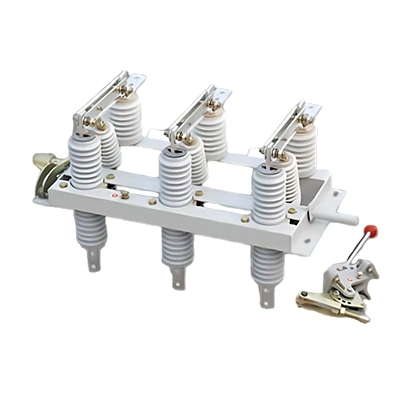
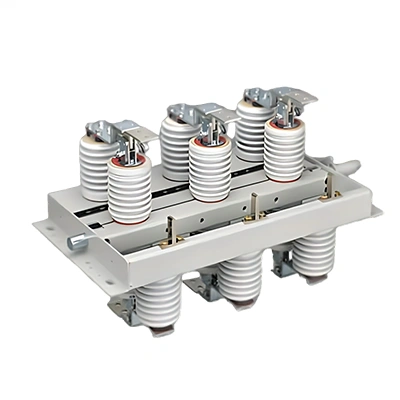
A high voltage disconnector (also called an isolator switch) is a mechanical switching device that provides visible isolation of a circuit for maintenance and safety purposes. Unlike circuit breakers, disconnectors are not designed to interrupt fault currents—they operate under no-load or very low-load conditions.
However, the operating mechanism of a disconnector involves multiple moving parts: rotating shafts, bearings, linkage arms, gearboxes, and contact hinges. These components experience mechanical friction during every open-close cycle. Over time, without proper lubrication, friction increases, operating forces rise, and the mechanism may seize entirely.
According to IEC 62271-102, which covers alternating current disconnectors and earthing switches, manual operation force must not exceed 250N at the handle. Exceeding this limit indicates that linkage friction is above the acceptable threshold and maintenance is required.
Common consequences of inadequate lubrication include:
-
Increased operating torque, making manual operation difficult or impossible
-
Accelerated wear on bearings and pivot points
-
Corrosion of exposed metal parts, especially in outdoor installations
-
Contact misalignment due to mechanical binding
-
Complete mechanism seizure requiring forced operation or replacement
Common Causes of Disconnector Lubrication Failure
Understanding why lubrication fails helps maintenance teams prevent issues before they occur.
| Cause | Description | Typical Impact |
| Lubricant drying out | Grease hardens or oil evaporates over time | Increased friction, stiff operation |
| Contamination | Dust, dirt, or sand mixes with grease, forming abrasive paste | Accelerated wear of moving parts |
| Water ingress | Poorly sealed mechanism boxes allow moisture entry | Corrosion, rust, lubricant washout |
| Wrong lubricant type | Using grease not rated for the temperature range | Thickening in cold, thinning in heat |
| Over-lubrication | Excessive grease attracts dust and causes overheating | Contact resistance increase, localized heating |
| Under-lubrication | Insufficient grease on critical pivot points | Metal-to-metal contact, rapid wear |
Outdoor disconnectors are particularly vulnerable. Since approximately 80% of isolating switch operating environments are outdoors, they are greatly affected by dust and weather exposure. Maintenance is often only performed once a year or even less frequently, making proper lubrication procedure critical.
What Lubricants to Use for High Voltage Disconnectors
Not all greases are suitable for high voltage disconnector mechanisms. The selection depends on the application point, environmental conditions, and operating temperature range.
For Rotating Shafts, Bearings, and Gearboxes
-
Recommended: Molybdenum disulfide lithium-based grease, NLGI Grade 2
-
Application: Rotating shafts should be lubricated biannually (spring and autumn), filling approximately 60% of the bearing chamber
-
Gearbox oil: Replace CLP 220 gear oil every 5 years
For Contact Surfaces
-
Recommended: Non-hardening conductive grease or contact lubricant
-
Key requirement: Must maintain electrical conductivity while preventing oxidation
-
Application: Apply a thin, even coat—excessive grease attracts dust and can cause localized overheating
For Low-Temperature or Freezing Environments
-
Recommended: Low-temperature silicone spray for isolator shafts
-
Key requirement: Must remain fluid at sub-zero temperatures
General Guidelines
-
Use high-temperature, water-resistant synthetic grease on rotating bushings and operating handles
-
For silver-plated contact surfaces, always apply a very thin layer of the recommended lubricant
-
Avoid petroleum-based greases that may degrade synthetic rubber seals or attract dust
Step-by-Step Disconnector Lubrication Procedure
Before You Start
-
Isolate the circuit and verify de-energized status
-
Obtain proper work permits for switchgear access
-
Gather materials: recommended grease, lint-free cloths, non-residue solvent, wire brush, grease gun
Step 1: Clean All Pivot Joints and Bearings
Remove old, hardened grease and dirt from latch and bearing surfaces with a clean, dry lint-free cloth. For stubborn contaminants:
-
Wipe away loose dust and old grease from contact blades using a lint-free cloth
-
Apply a non-residue solvent to dissolve stubborn contaminants on copper or silver-plated surfaces
-
Use a wire brush to clean pivot joints and remove corrosion
Step 2: Inspect for Wear and Damage
Before applying new lubricant, inspect all moving parts:
-
Check for excessive play in bearings
-
Look for signs of corrosion or pitting on contact surfaces
-
Verify that springs are not weakened or broken
-
Ensure seals are intact to prevent future moisture ingress
Step 3: Apply Lubricant to Bearings and Shafts
-
Apply synthetic silicone-based grease to bearings
-
For rotating bushings and operating handles, use high-temperature, water-resistant synthetic grease
-
Fill bearings to approximately 60% of the chamber capacity—overfilling can cause overheating
Step 4: Lubricate Contact Surfaces
-
Apply a thin, even layer of conductive grease to contact surfaces
-
The coating should be minimal—excessive grease attracts dust
-
For silver-plated contacts, ensure the grease is compatible with silver
Step 5: Adjust Operating Rod Linkage
After lubrication, check and adjust the operating rod linkage:
-
Tolerance should be approximately 2mm
-
Verify that all connections are secure
-
Ensure smooth movement through the full travel range
Step 6: Perform Operational Test
-
Perform five manual open-close cycles to verify smooth mechanical operation
-
Confirm that operating force does not exceed 250N at the handle
-
Listen for unusual noises that may indicate binding or misalignment
-
Verify that contacts fully open and close (no incomplete closing)
Disconnector Maintenance Checklist
| Item | Frequency | Action | Status |
|---|---|---|---|
| Visual inspection of mechanism box | Monthly | Check for water ingress, rust, seal condition | ☐ |
| Operating force check | Quarterly | Verify <250N at handle | ☐ |
| Bearing lubrication | Biannual (spring/autumn) | Apply NLGI Grade 2 grease, 60% fill | ☐ |
| Contact surface cleaning & greasing | Annual | Clean, inspect, apply thin conductive grease | ☐ |
| Gearbox oil check | Annual | Check level and condition | ☐ |
| Gearbox oil replacement | Every 5 years | Replace with CLP 220 gear oil | ☐ |
| Full mechanism inspection | Every 2 years | Check all pivot points, springs, linkages | ☐ |
Signs That Your Disconnector Needs Immediate Lubrication
Maintenance should not wait for the scheduled interval if any of these warning signs appear:
-
Increased operating effort: Noticeably harder to open or close than before
-
Unusual noises: Grinding, squeaking, or binding sounds during operation
-
Incomplete opening or closing: The blade does not reach its full travel position
-
Visible corrosion: Rust or oxidation on exposed mechanism parts
-
Grease hardening: Old grease appears cracked, dried, or discolored
If incomplete opening or closing occurs, common causes include deterioration of lubricating oil in rotating parts, loose bolts, and dust accumulation. For jams due to poor lubrication, clean and re-grease immediately.
Common Mistakes to Avoid
| Mistake | Why It's Problematic | Correct Approach |
| Using too much grease | Attracts dust, causes overheating | Apply thin, even coat only |
| Using the wrong grease | May harden in cold or thin in heat, damaging components | Match lubricant to application and environment |
| Skipping the cleaning step | Old grease traps contaminants, accelerates wear | Always clean before applying new grease |
| Ignoring seals | Water ingress leads to corrosion and lubricant washout | Check and replace damaged seals |
| Lubricating only contacts | Bearings and linkages also need attention | Follow full mechanism procedure |
Frequently Asked Questions
How often should high voltage disconnector mechanisms be lubricated?
Rotating shafts and bearings should be lubricated biannually (spring and autumn). Contact surfaces typically require annual attention. Gearbox oil should be replaced every 5 years. However, frequency may need to increase in harsh environments such as coastal areas, deserts, or high-pollution zones.
Can I use the same grease for contacts and bearings?
Not necessarily. Contact surfaces require conductive grease that maintains electrical conductivity while preventing oxidation. Bearings and gears typically require high-load, water-resistant synthetic grease (NLGI Grade 2 with molybdenum disulfide). Always follow the manufacturer's recommendations for each application point.
What causes a disconnector to become stiff even after lubrication?
Stiff operation after lubrication may indicate:
-
Mechanism corrosion due to water ingress
-
Worn bearings or bushings
-
Misaligned operating rod linkage
-
Seized pivot points that were not properly cleaned
-
Incorrect lubricant type for the temperature conditions
Is it safe to lubricate a disconnector while it is energized?
No. High voltage disconnectors must be de-energized and isolated before any maintenance work. Follow all applicable safety procedures and obtain proper work permits before accessing switchgear compartments. Only trained and authorized personnel should perform disconnector maintenance.
What is the maximum allowable operating force for manual operation?
According to IEC 62271-102, manual operation force must not exceed 250N at the handle. If operating force exceeds this limit, it indicates that linkage friction is above the acceptable threshold and maintenance is required.
How does temperature affect disconnector lubrication?
Low temperatures increase grease viscosity, raising friction in transmission components. High temperatures can cause grease to thin and run off, reducing protection. For outdoor installations in regions with extreme temperature variations, use synthetic greases with a wide operating temperature range. In freezing regions, low-temperature silicone spray is recommended for isolator shafts.
Conclusion
Proper lubrication of high voltage disconnector mechanisms is not optional—it is essential for reliable switchgear operation. The key takeaways are:
-
Use the right lubricant for each application point—conductive grease for contacts, NLGI Grade 2 lithium grease for bearings, CLP 220 for gearboxes
-
Clean before applying—old grease traps contaminants that accelerate wear
-
Apply the right amount—too little causes metal-to-metal contact; too much attracts dust and causes overheating
-
Follow a scheduled maintenance program—biannual for bearings, annual for contacts, 5-year for gearbox oil
-
Monitor operating force—if it exceeds 250N at the handle, maintenance is overdue
For maintenance teams, switchgear manufacturers, and EPC contractors looking for reliable switchgear components and assemblies, understanding proper maintenance procedures is as important as selecting the right equipment.
Review the full range of switchgear devices and distribution cabinets available for your project requirements. For technical support or to discuss your specific application, contact our engineering team.


-Temperature-Controller-1.webp)